
Never played futsal before? You’re not alone. Millions of people discover this fast-paced indoor sport every year, and most of them are hooked after just one session. Here’s everything you need to know to get started.
What is Futsal?
Futsal is an indoor variant of football (soccer) played on a hard, flat court — usually inside a sports hall or a dedicated indoor facility. The name comes from the Portuguese futebol de salão, meaning “hall football.” It was developed in Uruguay in the 1930s and has grown into one of the most popular indoor sports in the world.
Unlike five-a-side football played against walls, futsal is played without walls. The ball goes out of bounds just like in outdoor football. This makes it far more technical — there’s nowhere to pin the ball against a surface, so you have to actually control it with your feet.
Why do professional footballers love futsal?
Players like Ronaldo, Neymar, and Messi all grew up playing futsal. The tight spaces and constant touches develop close control and quick thinking far faster than outdoor football training can.
The Basic Rules
Don’t worry; futsal rules are simpler than you think. Here’s a quick rundown for beginners:
Team size
Each team has 5 players on the court, including the goalkeeper. Squads can have up to 9 players on the bench for substitutions. Substitutions are unlimited and rolling; players can come on and off as much as needed.
The court and ball
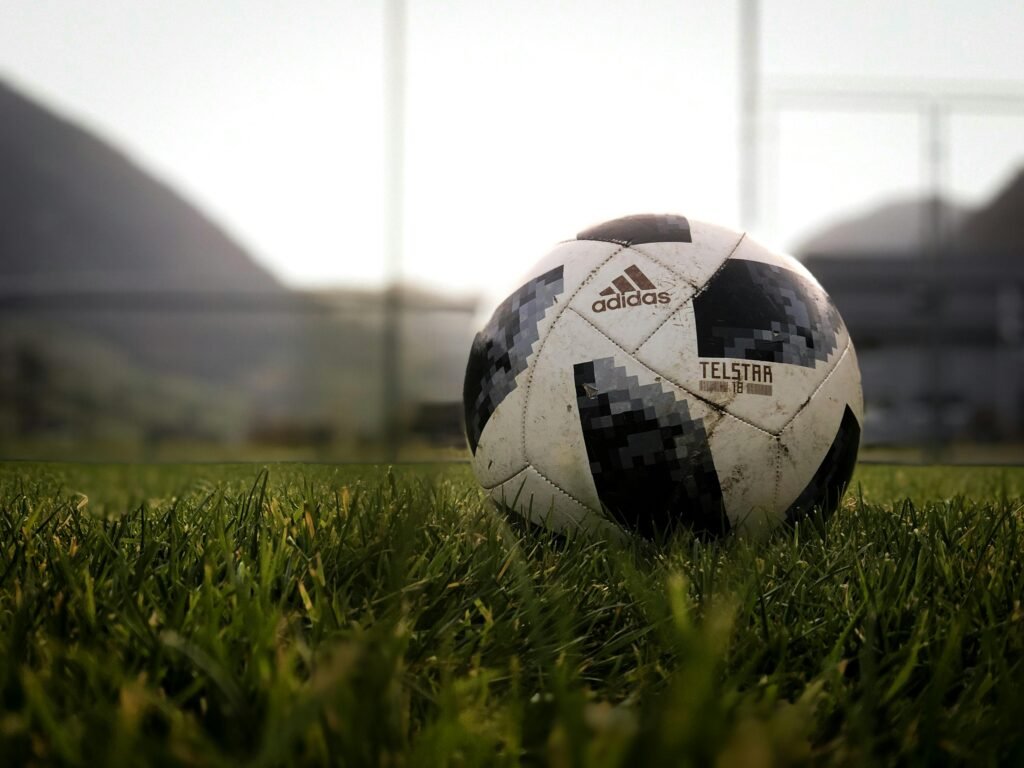
A standard futsal court is between 25 and 42 metres long and 16–25 metres wide. The ball is a size 4, slightly smaller and heavier than a standard football. This reduced bounce is intentional; it keeps the game on the ground and rewards skillful footwork over long balls.
Game length
Official matches are two halves of 20 minutes each (running clock). In casual or recreational play, you’ll often find 15 or 25-minute halves depending on the venue’s schedule.
Fouls and free kicks
This is where this sport gets interesting. Each team is allowed only 5 accumulated fouls per half. After the 5th foul, every subsequent foul results in a 10-metre penalty kick; no wall, just the goalkeeper. This rule makes futsal physically clean and forces teams to play technically rather than relying on tactical fouling.
The goalkeeper
The goalkeeper can only hold the ball for 4 seconds in their own half. Once they pass, they cannot receive the ball back from their own teammate (similar to football’s back-pass rule). This keeps the game flowing at pace.
Futsal vs 5-a-Side Football
Many people confuse futsal with 5-a-side football. They are different sports. Here’s a simple comparison:
| Feature | Futsal | 5-a-Side Football |
| Walls/ Boards | No walls | Usually uses rebound walls |
| ball | Size 4, low bounce | standard ball |
| Surface | Hard court ( Wood/ Rubber) | Astroturf or grass |
| Out of Bounds | Kick-in from the line | Often wall keeps ball in play |
| Accumulating fouls | Yes (5 per half rule) | No |
| Skill | close control, passing | physical pace, shooting |
Futsal Positions Explained
With only 5 players on the court, everyone is involved in both defending and attacking. Still, there are four distinct positions:
Goalkeeper (GK)
The goalkeeper is a real outfield player in futsal. Because the court is small, the GK often joins attacks and acts as a 5th outfield player when the team needs a goal. A futsal goalkeeper needs quick reflexes and excellent footwork.
Fixo (Defender)
The fixo is the last outfield player in defence, similar to a central defender or defensive midfielder in football. They organise the defensive shape and launch attacks with accurate passes forward.
Alas (Wingers)
The two alas (or wings) are the most active players on the court. They run up and down the flanks, contribute to attack and defence, and often score from wide angles. If you’re new and athletic, this is a good position to start.
Pivô (Forward)
The pivô is the target striker — they hold the ball up near the opponent’s goal, create space for teammates, and finish chances. This role requires strength, awareness, and composure in tight spaces.
What Gear Do You Need?
One of the best things about futsal is how little equipment you need to get started. Here’s the essential list:
- Futsal shoes (indoors): This is the most important purchase. Futsal shoes have flat, non-marking rubber soles designed for grip on hard courts. Never use outdoor football boots — the studs damage the court and give you no grip on indoor surfaces.
- Comfortable sportswear: Lightweight shorts and a breathable shirt. Most casual sessions don’t require a specific kit.
- Shin guards: Optional for casual play, but recommended. The pace of futsal means tackles come fast.
- Ankle socks: Slightly thicker athletic socks help prevent blisters with new shoes.
- Water bottle: Futsal is intense. You’ll go through more water than you expect.
Budget tip for beginners
You don’t need to buy expensive gear on day one. Start with any flat-soled trainer that won’t mark the court. Once you’re sure you enjoy the game, invest in proper futsal shoes; they make a huge difference to your balance and touch.
Tips for Your First Game
Walking into your first futsal session can feel intimidating. Here are some practical tips to help you feel confident from the first whistle:
- Stay on your feet. Futsal rewards technical play. Sliding tackles are rarely effective on a small court; you’ll foul your opponent and leave your team exposed.
- Play simple passes. The court is small, but so is the time you have on the ball. Short, accurate passes beat ambitious dribbles in most situations.
- Move after you pass. Unlike outdoor football, standing still after a pass leaves you useless. Always find a new position immediately.
- Communicate. Call for the ball, let teammates know when you’re free. Communication makes small-sided teams function.
- Don’t chase the ball. Chasing around in a group of 10 on a small court is exhausting and ineffective. Hold your position and let the ball come to you.
- Watch the goalkeeper. Notice how the GK distributes the ball. A smart goalkeeper sets the tempo of the whole team’s attack.
Is Futsal Good Exercise?
Absolutely. Futsal is one of the most effective cardiovascular workouts you can get without feeling like you’re doing cardio. Because the court is small and the game is continuous, you are almost always moving. Studies have found that futsal players cover significant distances at high intensity during a match, with frequent sprints, direction changes, and explosive bursts.
Beyond cardio, futsal develops agility, coordination, spatial awareness, and lower body strength. It’s also excellent for improving your general football ability — many coaches use futsal training specifically to build ball mastery in young players.
How to Find a Futsal Court Near You
Finding a court has never been easier. Here are the best ways to locate futsal facilities in your area:
- Search online for “futsal court near me” or “indoor football hall” in your city, many sports centres now offer both public sessions and court hire.
- Check local leisure centres and community sports halls. Many have futsal courts that also double as badminton or basketball courts.
- Ask at football clubs. Many grassroots football clubs run futsal training in the off-season and welcome new players.
- Join local Facebook or WhatsApp groups for pickup futsal in your area. These informal groups are often the best way to get a regular game without committing to a team.
Ready to Play?
Futsal is one of those sports that genuinely anyone can start playing. You don’t need to be fast or experienced the small court creates opportunities for every type of player, and the short matches mean you’re never far from your next touch of the ball.
Grab a pair of flat-soled shoes, find a court near you, and get out there. Within two or three sessions, you’ll understand exactly why this sport has taken over the world.
Futsal is far more than just a fun recreational sport or hobby; it is a fast-growing global sport officially governed by FIFA. With its own World Cup and prestigious international tournaments, futsal continues to gain massive popularity worldwide, offering excitement, skill development, and professional opportunities.
Whether you’re playing for fitness, fun, or aiming higher, the fundamentals you’ve learned here will give you a strong foundation. If you want to dive deeper into advanced techniques, rules, or local futsal communities, feel free to explore our other guides or visit the official FIFA Website.
